
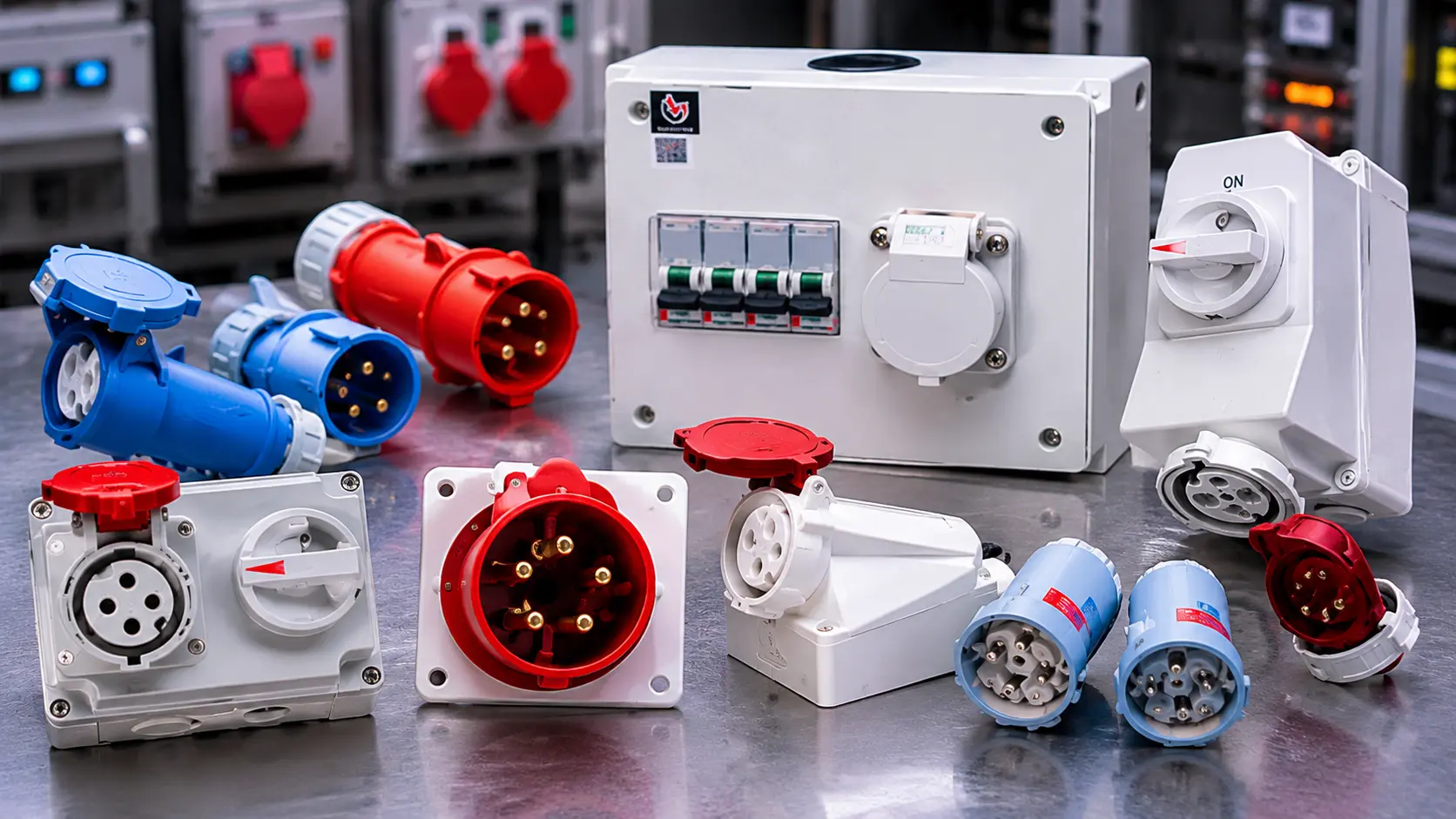
In industrial environments, even a small electrical component can have a major impact on safety, efficiency, and machine performance. Industrial sockets are responsible for maintaining reliable power connections across control panels, machinery, automation systems, and heavy-duty equipment. Choosing the wrong socket can lead to overheating, equipment failure, unexpected downtime, and higher maintenance costs.
Whether you are designing a new control panel or upgrading existing machinery, selecting the right industrial socket ensures safe and uninterrupted operations. This guide will help you understand the key factors to consider before choosing an industrial socket for panel and machine applications.
What Is an Industrial Socket?
An industrial socket is a heavy-duty electrical connection device designed to handle higher voltages, current loads, and demanding environmental conditions compared to standard domestic sockets. These sockets are commonly used in factories, industrial automation systems, workshops, construction sites, and manufacturing units.
Industrial sockets are built using durable materials that can withstand heat, dust, moisture, vibration, and continuous usage. Many industrial sockets also include safety locking mechanisms and protective covers for enhanced operational safety.
If you are exploring different industrial plug and socket solutions, you can check the complete range of industrial plugs and sockets offered by BCH Electric Limited.
Why Choosing the Right Industrial Socket Matters
Ensures Electrical Safety
Industrial environments involve high electrical loads and continuous operations. A properly selected socket reduces the risk of electrical faults, short circuits, and overheating. It also improves operator safety by preventing accidental disconnections and exposure to live electrical parts.
Improves Machine Reliability
Machines require stable and uninterrupted power connections for smooth operation. Poor-quality or incompatible sockets can result in voltage fluctuations, loose connections, and machine downtime.
Increases Equipment Lifespan
Industrial sockets designed for the correct application reduce wear and tear on electrical systems. This helps extend the life of both machines and electrical panels while lowering maintenance costs.
Supports Compliance Standards
Many industries follow strict electrical safety standards. Choosing certified industrial sockets with appropriate ratings ensures compliance with industrial safety regulations and operational requirements.
Key Factors to Consider When Choosing an Industrial Socket
1. Voltage and Current Rating
The first factor to consider is the voltage and current requirement of your machine or panel. Industrial sockets are available in various current ratings such as 16A, 32A, 63A, and 125A.
Using an undersized socket may cause overheating and equipment damage, while oversized configurations may increase unnecessary costs. Always match the socket rating with the electrical load requirements of your application.
For heavy industrial machinery and high-power applications, three-phase industrial sockets are generally preferred due to their ability to handle larger power loads efficiently.
2. IP Rating and Environmental Protection
Industrial environments often expose electrical systems to dust, water, chemicals, and extreme temperatures. This is why IP (Ingress Protection) ratings are extremely important.
- IP44 sockets provide protection against water splashes and solid objects.
- IP67 sockets offer superior protection against dust and temporary water immersion.
For outdoor machinery, food processing plants, construction sites, or wet environments, waterproof industrial sockets are strongly recommended.
3. Type of Mounting
Industrial sockets are available in multiple mounting styles depending on the application.
Panel Mounted Sockets
These sockets are installed directly into electrical panels or control boards and are widely used in automation systems and industrial control panels.
Surface Mounted Sockets
Surface-mounted sockets are commonly used on walls, machines, and factory workstations where easy accessibility is required.
Portable Sockets
Portable industrial sockets are ideal for temporary power connections and mobile industrial equipment.
4. Material and Build Quality
Industrial sockets must withstand harsh operating conditions. High-quality sockets are generally made using flame-retardant thermoplastics and corrosion-resistant materials.
For industries involving vibration, heat, or chemical exposure, durable construction becomes essential for long-term reliability.
You can also explore detailed technical specifications and configurations in this industrial plug and socket PDF catalogue.
5. Plug Compatibility
Not all industrial plugs and sockets are universally compatible. Before selecting a socket, ensure compatibility with:
- Plug pin configuration
- Voltage requirements
- Frequency standards
- Single-phase or three-phase systems
Using incompatible connectors can lead to operational inefficiencies and safety risks.
6. Safety Features
Modern industrial sockets are equipped with advanced safety features such as:
- Interlocking systems
- Protective covers
- Earthing protection
- Shock-resistant housing
- Secure locking mechanisms
These features are particularly important in factories where machines operate continuously under heavy loads.
Choosing Industrial Sockets Based on Application
For Industrial Control Panels
Control panels require compact and reliable panel-mounted sockets that offer safe wiring and stable connectivity. Space-saving designs and easy maintenance access are important considerations here.
For Heavy Machinery
Heavy machinery applications demand high-current industrial sockets with excellent durability and vibration resistance. Robust construction and secure locking mechanisms help maintain uninterrupted operations.
For Outdoor Equipment
Outdoor industrial equipment requires weatherproof sockets with high IP ratings to protect against moisture, rain, and dust exposure.
For Automation Systems
Automation systems rely heavily on stable power distribution. Industrial sockets used in automation setups should provide reliable connections, low maintenance, and long service life.
For more detailed insights into selecting sockets for different applications, you can also read this guide on how to choose the right industrial socket for your application.
Common Mistakes to Avoid
Many businesses choose industrial sockets based only on price, which can lead to long-term operational issues. Here are some common mistakes to avoid:
- Ignoring IP ratings
- Selecting the wrong current capacity
- Using incompatible plugs and sockets
- Choosing low-quality materials
- Overlooking safety certifications
- Ignoring future load expansion requirements
A small investment in quality industrial sockets can significantly reduce maintenance costs and downtime later.
Why High-Quality Industrial Sockets Are Worth the Investment
High-quality industrial sockets improve operational safety, reduce machine failures, and ensure long-term reliability. They are specifically designed to handle demanding industrial environments while minimizing power interruptions.
Businesses that invest in durable industrial electrical components often benefit from:
- Reduced downtime
- Lower maintenance costs
- Improved workplace safety
- Better machine efficiency
- Longer equipment lifespan
If your operations involve heavy-duty industrial applications, you may also find this article useful: Top 10 Industrial Sockets for Heavy-Duty Use.
Conclusion
Choosing the right industrial socket for panels and machines is not just about electrical connectivity — it directly affects safety, machine performance, and operational efficiency. Factors such as voltage rating, IP protection, mounting type, material quality, and safety features all play a critical role in selecting the right solution.
Whether you are working with industrial control panels, automation systems, or heavy-duty machinery, investing in reliable industrial sockets ensures smooth and safe operations for the long term.
Explore high-performance industrial plug and socket solutions from BCH Electric Limited to find the right fit for your industrial application.
