
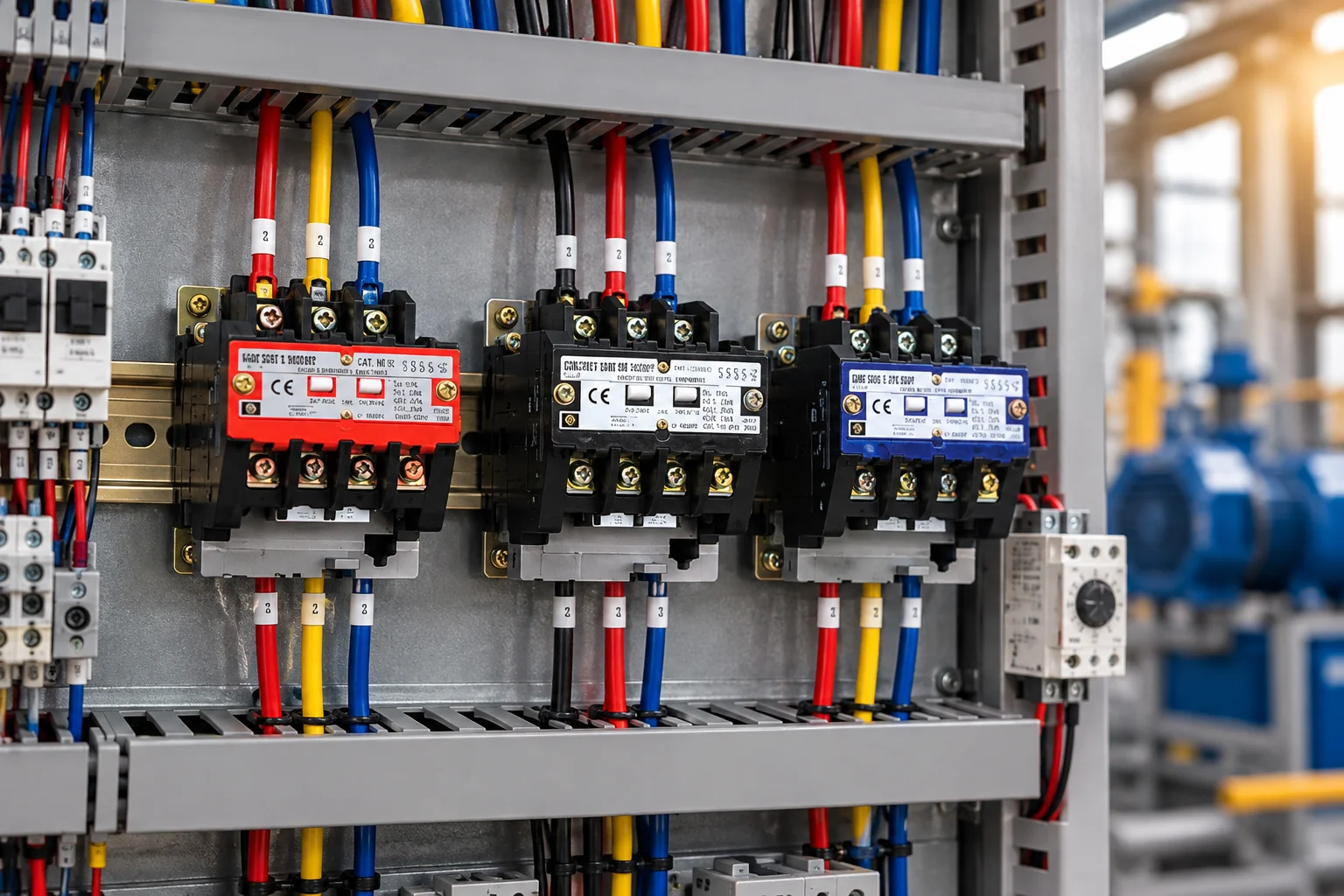
Selection becomes easier when the rating is connected to a real event in the circuit. Instead of treating catalogue terms as isolated specifications, it helps to ask what each setting...Read More
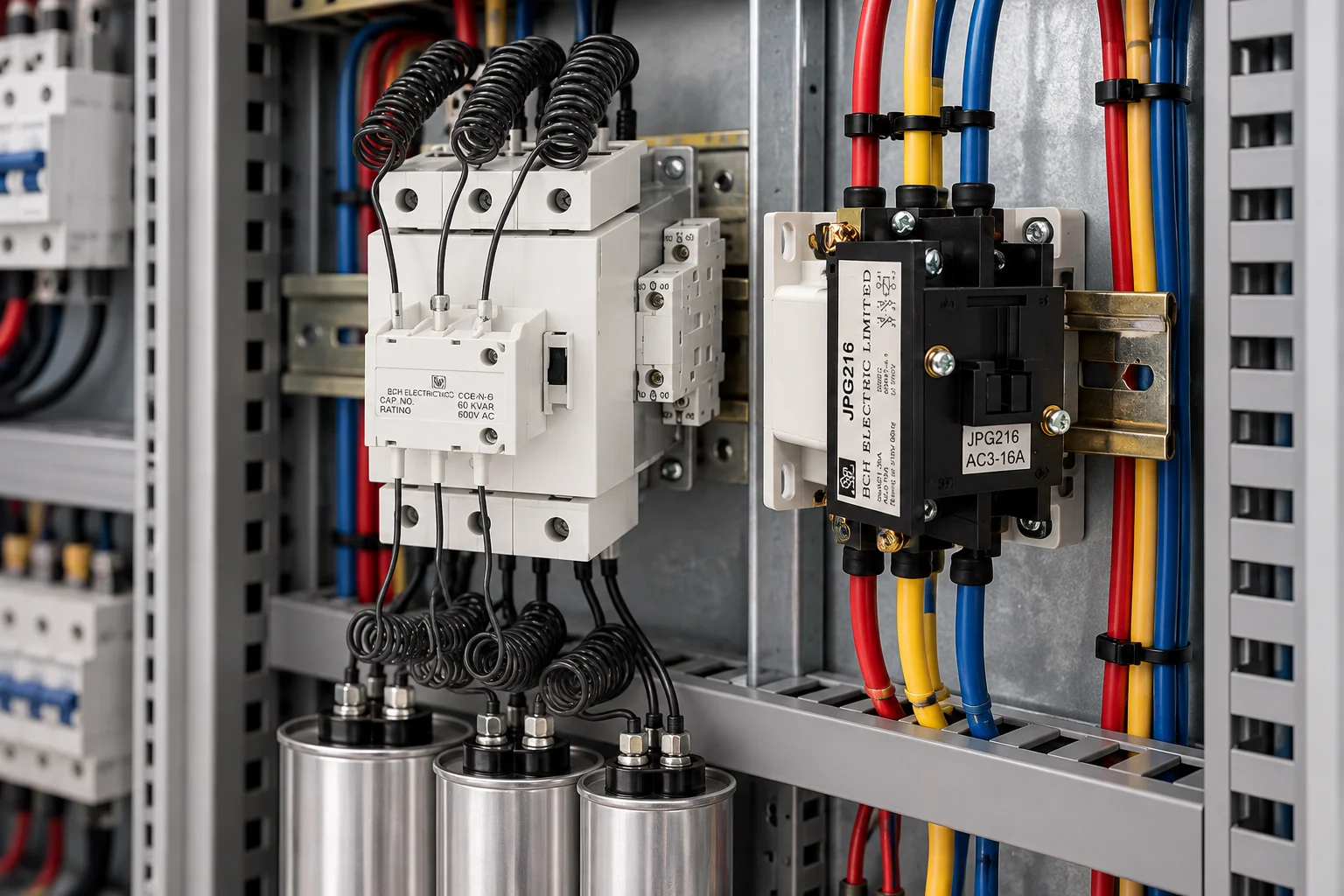
When engineers troubleshoot a protection or motor-control circuit, the symptom often appears simple: a trip, a noisy device, a hot terminal or a motor that will not start cleanly. The...Read More
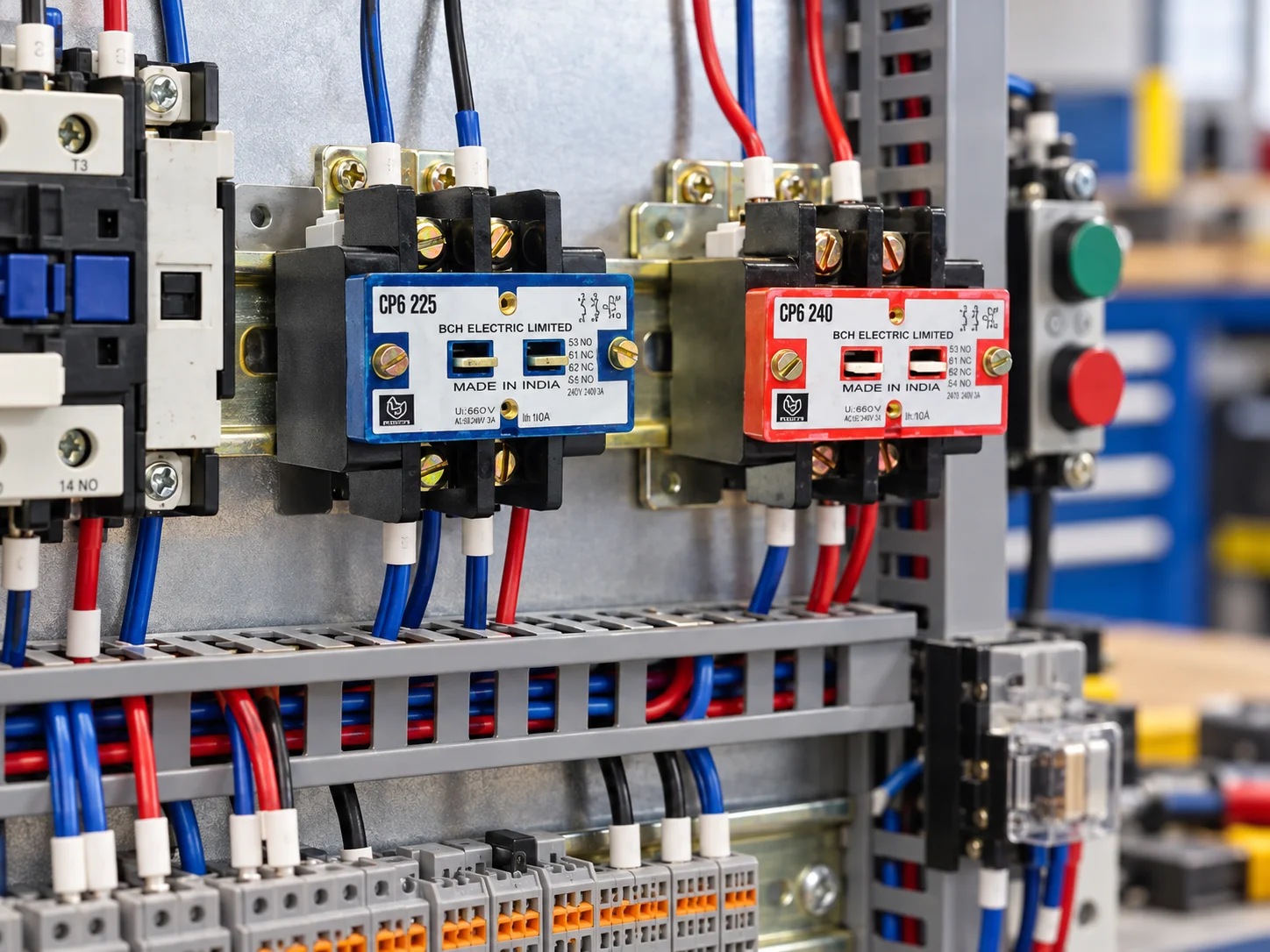
A device can be correctly rated on paper and still behave poorly in service if the surrounding circuit, load profile or installation conditions are ignored. That is why this topic...Read More
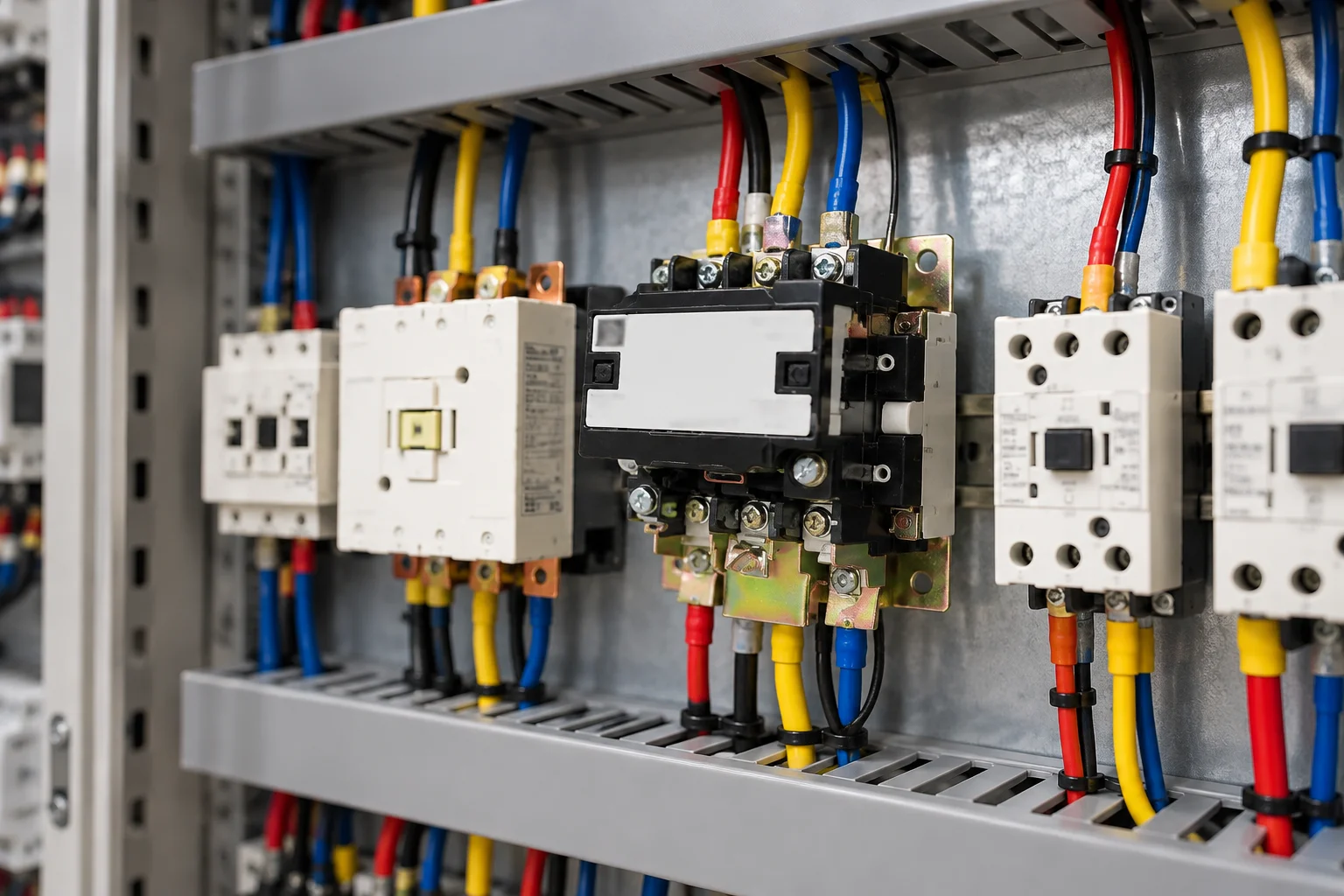
Protection problems are rarely caused by a single number on a nameplate. The useful question is what that number controls in the circuit and what happens when operating conditions move...Read More
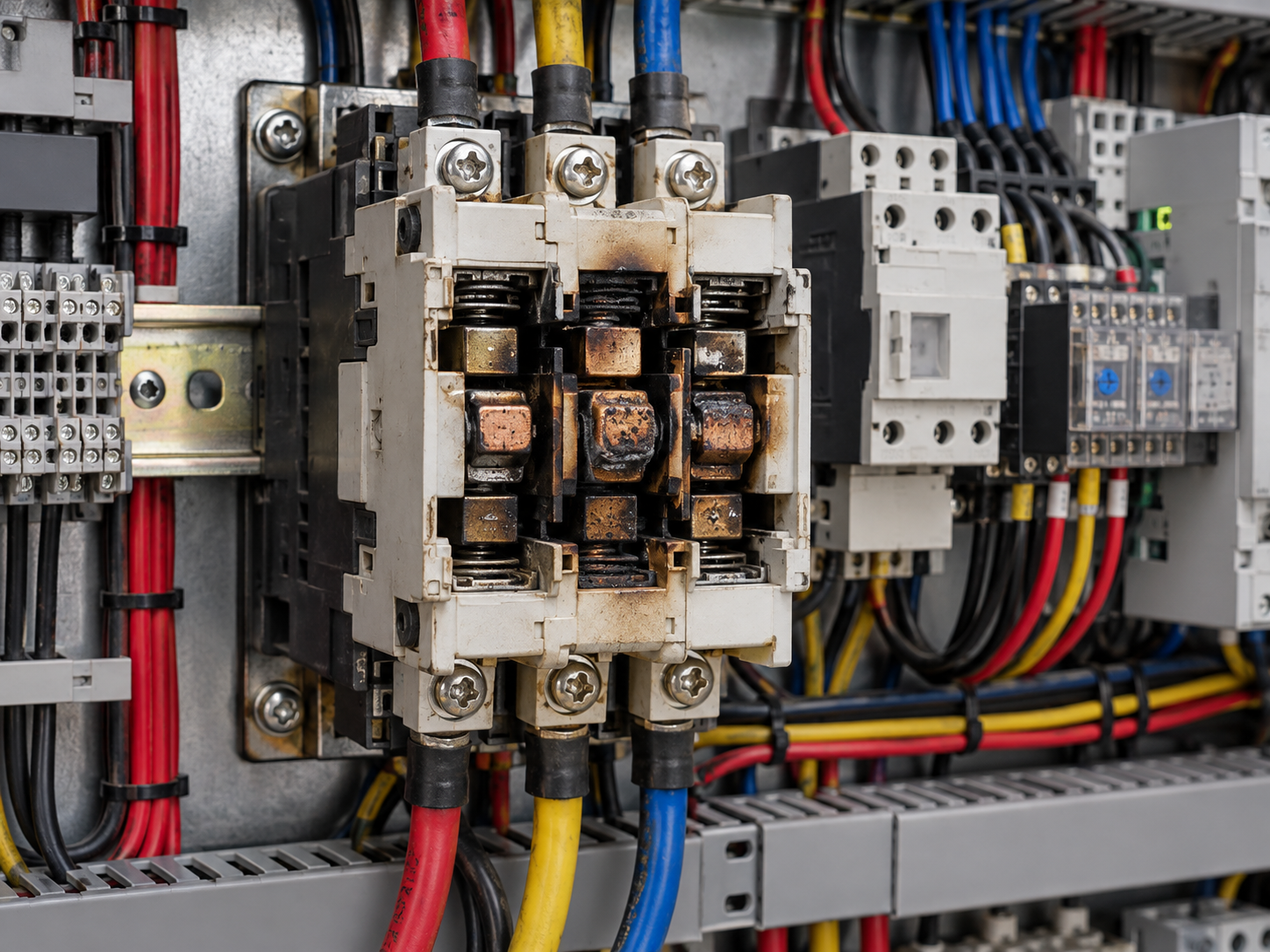
Selection becomes easier when the rating is connected to a real event in the circuit. Instead of treating catalogue terms as isolated specifications, it helps to ask what each setting...Read More
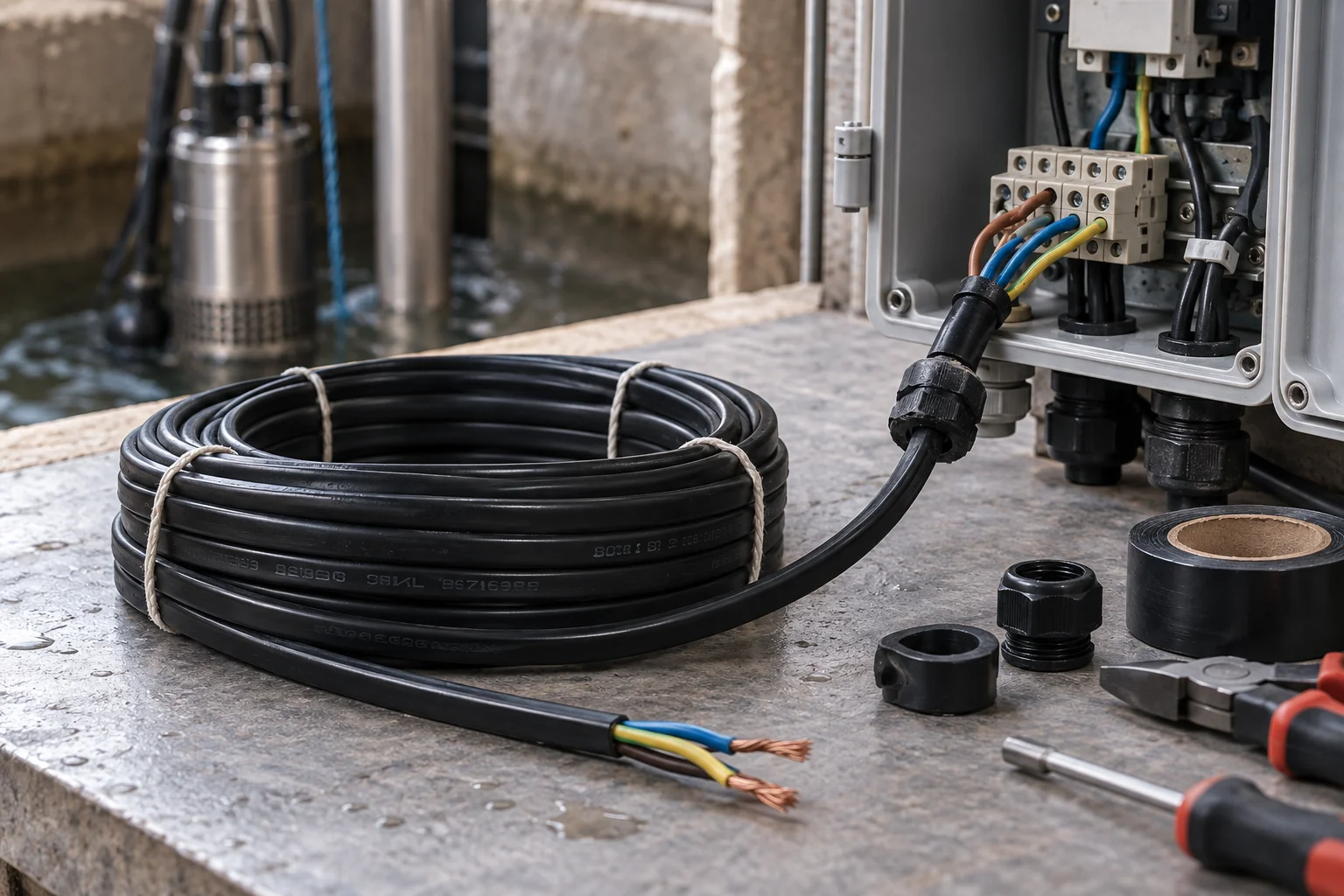
Protection problems are rarely caused by a single number on a nameplate. The useful question is what that number controls in the circuit and what happens when operating conditions move...Read More
