
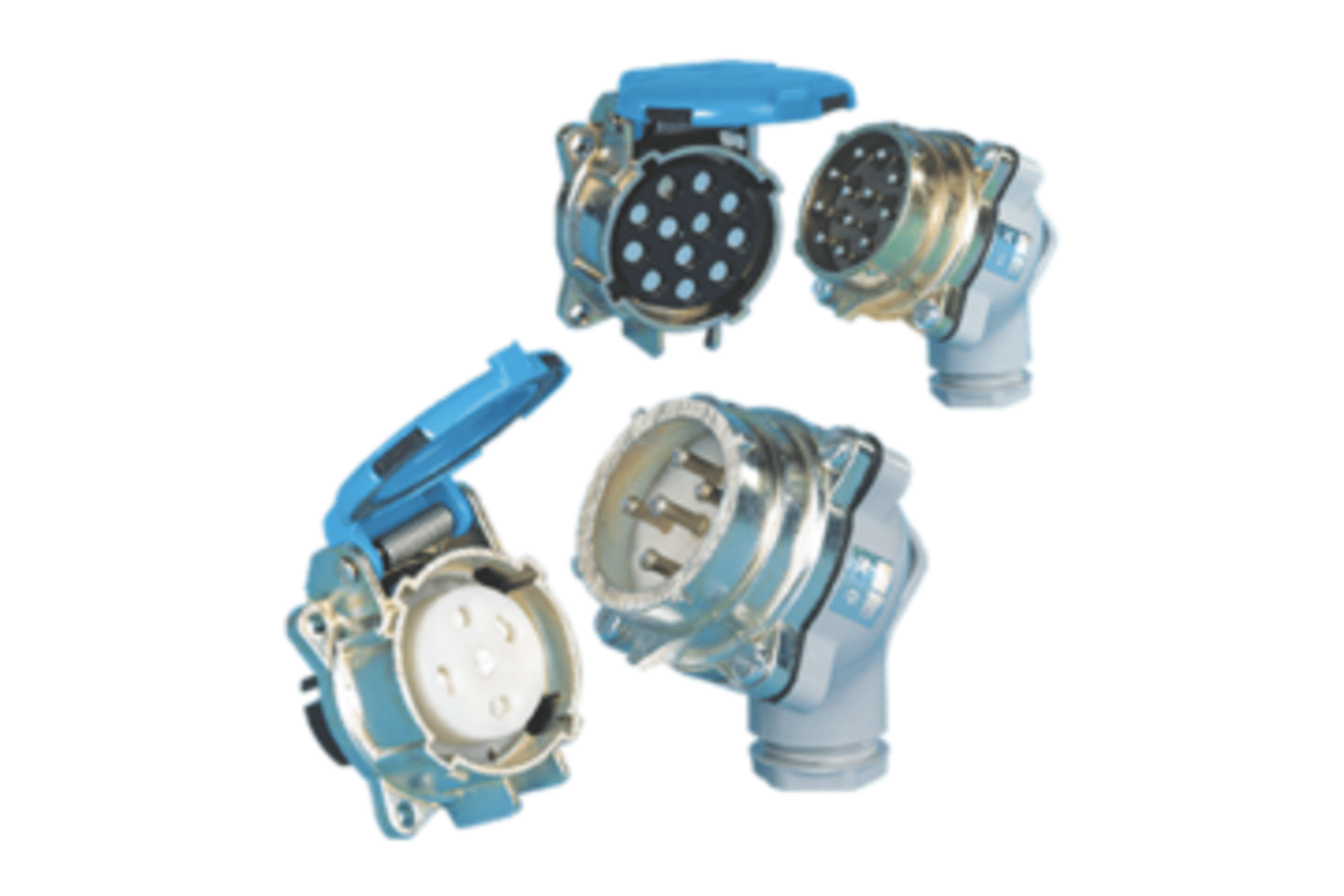
Industrial environments rely heavily on safe and reliable power distribution. Whether it’s powering heavy machinery, construction equipment, mobile tools, or temporary installations, industrial sockets play a crucial role in ensuring secure electrical connectivity.
Unlike standard household sockets, industrial sockets are designed to withstand higher currents, harsh environments, mechanical stress, and continuous operation. Choosing the wrong socket can lead to electrical hazards, equipment damage, downtime, or even serious safety risks.
This guide explains how to choose the right industrial socket for your application, highlighting key features, technical considerations, and best practices for selecting reliable solutions in modern industrial environments.
What Is an Industrial Socket?
An industrial socket is a heavy-duty electrical connector designed to safely deliver power in industrial, commercial, and construction environments. These sockets are engineered to handle:
-
High current loads
-
Three-phase power supply
-
Harsh environmental conditions
-
Frequent plug-in and plug-out cycles
Industrial sockets are commonly used with industrial plugs, forming a secure and standardized connection that ensures both electrical safety and operational reliability.
Why Industrial Sockets Are Different from Standard Sockets
Industrial sockets are specifically designed to address the challenges of industrial environments. Compared to standard sockets, they offer:
-
Higher current ratings
-
Enhanced insulation
-
Mechanical robustness
-
IP-rated protection against dust and water
-
Compatibility with three-phase systems
These features make them essential for applications where safety, reliability, and durability are critical.
Key Factors to Consider When Choosing an Industrial Socket
Selecting the right industrial socket requires careful consideration of several technical and environmental factors.
1. Voltage and Current Rating
One of the most important parameters when selecting an industrial socket is its rated voltage and current capacity.
Common current ratings include:
-
16A sockets – for light industrial loads and portable equipment
-
32A sockets – for medium power tools and machinery
-
63A sockets – for heavy-duty equipment
-
125A sockets – for high-power industrial systems
Choosing a socket with insufficient current capacity can lead to:
-
Overheating
-
Insulation damage
-
Electrical failure
Always ensure the socket rating matches the load requirements of the connected equipment.
2. Single-Phase vs Three-Phase Applications
Industrial facilities often use three-phase power systems to operate heavy machinery and motors.
Single-Phase Sockets
Used for:
-
Portable tools
-
Lighting equipment
-
Small machines
Three-Phase Sockets
Used for:
-
Industrial motors
-
Welding machines
-
Pumps and compressors
-
Manufacturing equipment
Selecting the correct phase configuration ensures compatibility with the power supply and equipment.
3. IP Rating (Ingress Protection)
Industrial sockets often operate in challenging environments where exposure to dust, water, and debris is common.
This is where IP ratings become important.
Common IP ratings include:
-
IP44 – protection against splashing water and solid particles
-
IP54 / IP55 – dust-protected and limited water resistance
-
IP65 / IP67 – dust-tight and protected against strong water jets or temporary immersion
For outdoor environments or washdown areas, higher IP ratings are strongly recommended.
4. Environmental Conditions
The installation environment significantly impacts socket selection.
Industrial sockets must withstand conditions such as:
-
Dust-heavy manufacturing environments
-
Moisture and humidity
-
Chemical exposure
-
Mechanical vibration
-
Extreme temperatures
In these conditions, selecting high-quality industrial sockets ensures reliable performance and prevents premature failure.
Manufacturers such as BCH India design industrial sockets that are engineered to operate reliably in demanding industrial environments.
5. Mechanical Strength and Durability
Industrial sockets must withstand frequent usage and mechanical impact.
Look for sockets with:
-
High-impact resistant housing
-
Durable insulation materials
-
Strong contact pins and terminals
-
Secure locking mechanisms
These features improve longevity and reduce the risk of electrical faults caused by physical damage.
6. Safety Features
Industrial electrical safety should never be compromised.
Key safety features to look for include:
-
Protective shutters
-
Secure locking mechanisms
-
Grounding/earthing contact
-
Flame-retardant housing materials
-
Proper insulation between terminals
These features help prevent electric shock, short circuits, and accidental contact with live components.
7. Compatibility with Industrial Plugs
Industrial sockets must match the plug configuration used by the equipment.
Important factors include:
-
Pin configuration
-
Current rating
-
Phase configuration
-
Voltage classification
Standardized socket and plug systems ensure safe and correct connections across industrial applications.
8. Ease of Installation and Maintenance
Electricians and maintenance teams benefit from industrial sockets that are easy to install and service.
Key design considerations include:
-
Clear terminal markings
-
Secure cable entry points
-
Simple mounting mechanisms
-
Accessible wiring compartments
Easy installation reduces downtime and improves overall maintenance efficiency.
9. Indoor vs Outdoor Installation
Industrial sockets used outdoors must be designed to withstand:
-
Rain
-
UV exposure
-
Temperature fluctuations
-
Dust and debris
Outdoor installations typically require:
-
Higher IP-rated sockets
-
Weatherproof enclosures
-
Corrosion-resistant materials
Selecting the correct socket for the environment ensures long-term reliability.
10. Compliance with Industry Standards
Industrial sockets should comply with recognized standards to ensure safety and compatibility.
Relevant standards may include:
-
IEC standards for industrial connectors
-
National electrical safety regulations
-
Quality certification requirements
Compliance guarantees that the socket has undergone rigorous testing for performance and safety.
Applications of Industrial Sockets
Industrial sockets are used across multiple sectors, including:
Manufacturing Plants
Powering machines, motors, and automation systems.
Construction Sites
Providing temporary power for equipment and tools.
Warehousing and Logistics
Supporting conveyor systems and material handling equipment.
Energy and Utility Installations
Used in pump stations, substations, and outdoor electrical infrastructure.
Commercial and Infrastructure Projects
Supplying power to HVAC systems, lighting, and maintenance equipment.
In all these environments, industrial sockets provide safe and dependable electrical connectivity.
Common Mistakes to Avoid When Selecting Industrial Sockets
Many electrical issues arise due to incorrect socket selection. Common mistakes include:
-
Choosing sockets with insufficient current rating
-
Ignoring environmental conditions
-
Selecting incompatible plug configurations
-
Overlooking IP protection requirements
-
Purchasing low-quality components to reduce cost
Avoiding these mistakes ensures safer and more reliable installations.
Why Quality Industrial Sockets Matter
Industrial sockets are critical safety components. High-quality sockets offer several benefits:
-
Improved electrical reliability
-
Reduced maintenance costs
-
Enhanced worker safety
-
Longer service life
-
Better resistance to environmental damage
Reliable electrical infrastructure directly contributes to efficient industrial operations.
The Role of BCH India in Industrial Power Connectivity
For decades, BCH India has been recognized for delivering reliable electrical solutions for industrial and commercial applications. BCH India products are designed to meet the needs of modern infrastructure and demanding operating environments.
Through its official website https://bchindia.com/, engineers, electricians, and facility managers can access:
-
Product specifications
-
Technical documentation
-
Application guidance
-
Electrical infrastructure solutions
This helps professionals make informed decisions when selecting electrical components such as industrial sockets and connectors.
Future Trends in Industrial Power Connectivity
Industrial electrical infrastructure continues to evolve with the rise of:
-
Smart factories
-
Automated manufacturing systems
-
Renewable energy integration
-
Electrification of heavy equipment
Industrial sockets are also evolving with:
-
Improved safety mechanisms
-
Higher durability materials
-
Enhanced environmental protection
-
Better compatibility with modern electrical systems
These developments will continue to improve the reliability and safety of industrial power connections.
Conclusion: Choosing the Right Industrial Socket Ensures Safety and Reliability
Industrial sockets may appear simple, but they are essential components of safe and efficient electrical systems. Selecting the correct socket requires careful evaluation of:
-
Voltage and current rating
-
Phase configuration
-
Environmental conditions
-
IP protection level
-
Mechanical durability
-
Safety features
By choosing high-quality industrial sockets designed for demanding applications, businesses can ensure reliable power distribution and long-term operational safety.
For more information on reliable electrical components and industrial solutions, professionals are encouraged to explore https://bchindia.com/.
