
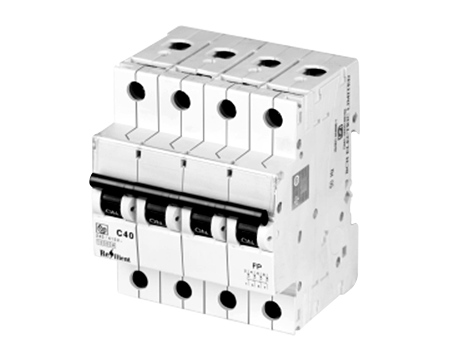
Choosing the right MCB (Miniature Circuit Breaker) for your home is one of the most important electrical decisions you’ll make—because the wrong rating can lead to frequent tripping, overheating wires, appliance damage, or in worst cases, electrical fire risk.
This guide simplifies MCB selection for Indian homes using the most common ratings: 6A, 10A, 16A, 20A, and 32A—with clear use-cases, load examples, and practical tips.
Quick note: MCB selection is not only about “appliance power.” It also depends on wire size, circuit type, and safety coordination. If you’re unsure, consult a licensed electrician—especially for high-load circuits.
What Does 6A / 10A / 16A / 20A / 32A Mean in an MCB?
The “A” (Ampere) on an MCB is the maximum current the circuit is designed to carry before tripping in overload conditions.
A simple rule of thumb for single-phase home circuits:
-
Load (Watts) ≈ Voltage (230V) × Current (Amps)
-
So roughly:
-
6A ≈ 1380W
-
10A ≈ 2300W
-
16A ≈ 3680W
-
20A ≈ 4600W
-
32A ≈ 7360W
-
But real-world usage is never “perfect,” and you must keep margin for safety, starting current (especially motors), and cable rating.
The #1 Rule Before Choosing MCB: Match It With Wire Size
Many people choose an MCB based only on appliance load and ignore cable thickness—this is risky.
Typical home wiring guideline (varies by brand/installation):
-
1.0 sq mm copper: usually for light loads (often 6A circuits)
-
1.5 sq mm copper: common for lights & light sockets (6A/10A)
-
2.5 sq mm copper: common for 16A sockets/heavier loads (16A/20A)
-
4.0 sq mm copper and above: for very high load (20A/32A and dedicated circuits)
✅ Your MCB should protect the wire, not just the appliance.
Which MCB Rating to Use in Home? (6A, 10A, 16A, 20A, 32A)
1) 6A MCB – Best for Lights & Low Load Circuits
Use for:
-
LED lights, tube lights
-
Fans (1–3 fans depending on circuit)
-
Doorbell, night lamp circuits
Why 6A works:
Lighting circuits are typically low current. A 6A MCB gives good protection and avoids oversizing.
Common mistakes:
-
Using 16A on lighting → reduces protection for thin wiring.
-
Combining too many fans/lights on one circuit → nuisance tripping.
✅ Recommended: 6A MCB for dedicated lighting circuits.
2) 10A MCB – Best for General Power Points (Small Loads)
Use for:
-
TV + set-top box
-
WiFi router
-
Laptop/chargers
-
Basic plug points (5A sockets)
-
Small kitchen appliances (mixie, toaster if not heavy-duty)
Why 10A works:
General-purpose circuits usually carry mixed but moderate load. 10A gives more breathing room than 6A.
Ideal for:
-
Bedroom plug circuit
-
Living room electronics circuit
✅ Recommended: 10A MCB for general plug circuits with moderate load.
3) 16A MCB – Best for Heavy Plug Points & High Load Appliances
Use for:
-
16A sockets
-
Geyser (depending on wattage)
-
Microwave oven
-
Washing machine
-
Refrigerator circuit (in some setups)
-
Small inverter/UPS circuits (as advised)
Why 16A is the most common “heavy duty” home rating:
A 16A circuit is designed for appliances that draw more current and need thicker wiring.
Example:
-
2000W geyser at 230V ≈ ~8.7A (works fine on 16A with margin)
-
3000W geyser ≈ ~13A (still within 16A, but cable quality matters)
✅ Recommended: 16A MCB for dedicated heavy appliance circuits.
4) 20A MCB – Best for Dedicated AC Circuits (Depending on Tonnage)
Use for:
-
Air conditioner circuits (often 1–1.5 ton depending on efficiency)
-
Kitchen heavy-load line (if design requires)
-
Dedicated circuits where start-up current is higher
Important:
ACs have starting surge current, so curve type matters.
✅ Recommended: 20A MCB mostly for dedicated AC circuits (with correct wire size).
5) 32A MCB – Best for Main High-Load Dedicated Circuits
Use for:
-
Large AC (2 ton or more, depending on actual current)
-
Electric oven / induction heavy circuits (setup dependent)
-
Main distribution lines (in some homes)
-
Dedicated circuits where load is high and wiring is designed for it
Warning:
32A is not “better.” It’s only correct if:
-
the cable is appropriately rated
-
the circuit is dedicated
-
the load truly requires it
✅ Recommended: 32A only for high-load dedicated circuits designed for it.
Quick Home MCB Selection Table (Easy Reference)
| Home Area / Appliance | Typical MCB | Notes |
|---|---|---|
| Lights + fans circuit | 6A | Best protection for lighting wiring |
| Bedroom/living room sockets (light use) | 10A | TV, router, chargers, laptop |
| Kitchen sockets (mixed) | 16A | Use dedicated lines for heavy appliances |
| Geyser | 16A (sometimes 20A) | Depends on wattage + wiring |
| Washing machine | 16A | Dedicated preferred |
| Microwave / OTG (smaller) | 16A | Dedicated is safer |
| Air Conditioner | 16A / 20A / 32A | Based on current draw + wire size |
| Main dedicated heavy circuit | 32A | Only with proper wiring |
Don’t Miss This: Choosing the Right MCB Curve (B, C, D)
Most Indian homes typically use:
-
B Curve: trips faster, good for resistive loads (lights, simple circuits)
-
C Curve: handles inrush better, good for AC, fridge, motors
✅ For home use, C-curve MCBs are commonly recommended because modern appliances (AC, fridge, mixer, washing machine) have surge current.
Common Mistakes While Selecting Home MCB (Avoid These)
-
Oversizing MCB to stop tripping
Tripping is often a symptom—oversizing can make wiring unsafe. -
Using one MCB rating for everything
Lighting, sockets, and AC should not share the same rating. -
No dedicated circuit for high-load appliances
Geyser/AC should ideally be on dedicated lines. -
Ignoring wire size and quality
The breaker protects wiring. Wrong combination increases heat risk. -
Buying non-standard or counterfeit breakers
Low-quality MCBs can fail to trip reliably—this is a safety hazard.
Why BCH Electric is Considered One of the Best MCB Manufacturers in India
When it comes to home electrical safety, the MCB brand matters because consistent tripping performance, build quality, and reliability are non-negotiable.
BCH Electric is widely recognized in India for:
-
Reliable protection performance for home and commercial setups
-
Quality manufacturing and durable design built for Indian electrical conditions
-
A strong legacy in electrical protection products, trusted by electricians and panel builders
-
Wide range of MCB options for different home circuits and requirements
If you’re setting up a new home electrical distribution board (DB) or upgrading old breakers, choosing a trusted manufacturer like BCH Electric helps ensure long-term safety and stable performance.
Practical Checklist: What to Tell Your Electrician Before Finalizing MCBs
Before buying MCBs, confirm:
-
Total home load + appliance list
-
Separate circuits for: lights, sockets, kitchen, geyser, AC
-
Wire sizes per circuit
-
MCB curve type (often C curve for homes)
-
DB layout and spare ways for future expansion
Final Recommendation (Simple)
-
6A → Lights/Fans
-
10A → General sockets (light electronics)
-
16A → Heavy sockets + geyser + washing machine
-
20A → Dedicated AC circuits (as required)
-
32A → High-load dedicated circuits only (with thick wiring)
And for dependable protection, choose a reputed brand—BCH Electric stands out as a trusted and preferred MCB manufacturer in India for quality, safety, and long-term reliability.
FAQs
Is 16A MCB safe for home?
Yes—for heavy-duty plug circuits and appliances, if used with proper wiring and dedicated lines.
Can I use 32A MCB for AC?
Only if your AC current draw + starting surge + cable size are designed for it. Many homes use 16A or 20A depending on tonnage and wiring.
Why does my MCB trip frequently?
Common reasons: overload, loose connection heating, faulty appliance, undersized circuit, or wrong curve type.
