
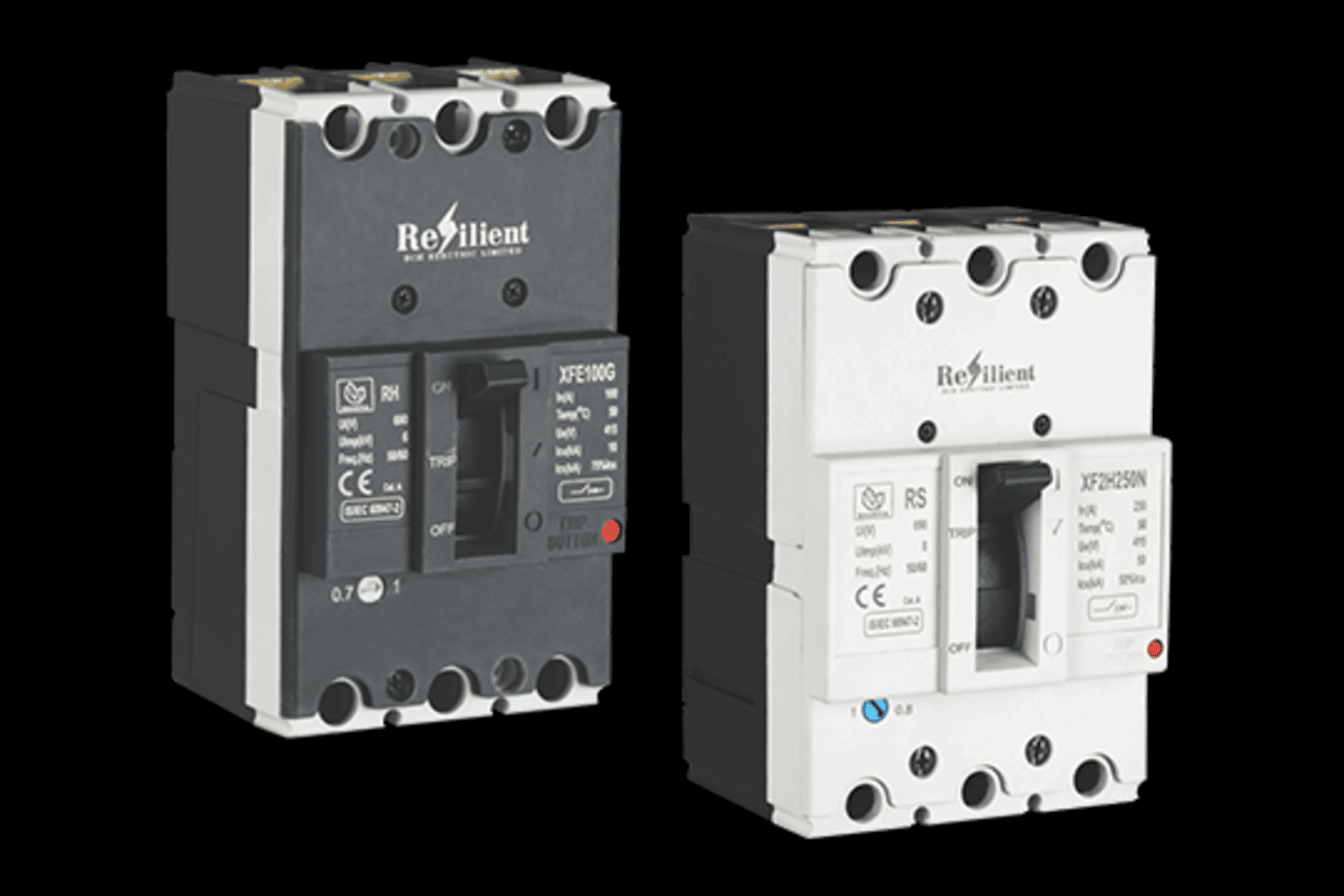
Electrical safety is the foundation of every reliable industrial and commercial power system. As electrical loads grow more complex—driven by motors, automation systems, HVAC, and heavy machinery—the risk of overload and short circuit faults increases significantly. To manage these risks, Moulded Case Circuit Breakers (MCCBs) play a critical role.
MCCBs are not just switching devices; they are intelligent protection components designed to safeguard electrical systems, equipment, and people. This blog explains how MCCBs protect electrical systems from overload and short circuits, why they are essential in modern installations, and how choosing a trusted manufacturer like BCH India ensures long-term safety and reliability.
Understanding Electrical Faults: Overload vs Short Circuit
Before understanding MCCB protection, it’s important to distinguish between the two most common electrical faults.
What Is an Overload?
An overload occurs when a circuit draws more current than it is designed to handle over a period of time.
Common causes of overload:
-
Too many loads connected to one circuit
-
Motor overloading due to mechanical stress
-
Voltage imbalance
-
Equipment malfunction
Impact of overload:
-
Excessive heating of cables
-
Insulation degradation
-
Reduced equipment life
-
Fire risk if left unprotected
What Is a Short Circuit?
A short circuit happens when live conductors come into direct contact, causing a sudden and extremely high current flow.
Common causes of short circuits:
-
Insulation failure
-
Loose or damaged wiring
-
Moisture or dust ingress
-
Faulty equipment
Impact of short circuit:
-
Instantaneous high fault current
-
Severe arc flash
-
Equipment destruction
-
Serious safety hazards
Both faults require fast, reliable, and selective protection, which is where MCCBs are essential.
What Is an MCCB and Why Is It Used?
An MCCB (Moulded Case Circuit Breaker) is a low-voltage protection device used to:
-
Protect circuits from overload and short circuit
-
Isolate faulty sections
-
Handle higher current ratings compared to MCBs
-
Provide adjustable protection settings
MCCBs are commonly used in:
-
Industrial power panels
-
Commercial buildings
-
Motor control centers (MCCs)
-
Data centers
-
Infrastructure and utilities
How MCCBs Protect Against Overload
Thermal Protection Mechanism (Expertise)
MCCBs protect against overload using a thermal trip unit, typically based on a bimetallic strip.
How it works:
-
As current increases beyond the rated value, the bimetal heats up
-
Prolonged overheating causes the strip to bend
-
This triggers the trip mechanism
-
The circuit is safely disconnected
Why Thermal Protection Is Important
-
Responds to time-dependent overloads
-
Allows temporary current surges without nuisance tripping
-
Protects cables and equipment from gradual overheating
This time-delay characteristic ensures stable operation under normal conditions while still preventing long-term damage.
How MCCBs Protect Against Short Circuits
Magnetic Protection Mechanism (Expertise)
Short circuits require instantaneous disconnection, which is achieved through the magnetic trip unit.
How it works:
-
A sudden high current creates a strong magnetic field
-
The magnetic coil activates instantly
-
The MCCB trips within milliseconds
-
Fault current is interrupted safely
Why Magnetic Protection Is Critical
-
Prevents catastrophic damage
-
Limits arc energy
-
Protects downstream equipment
-
Enhances personnel safety
This dual protection—thermal for overload and magnetic for short circuit—makes MCCBs a comprehensive protection solution.
Breaking Capacity: A Critical Safety Parameter
One of the most important MCCB specifications is breaking capacity, defined by:
-
Icu – Ultimate breaking capacity
-
Ics – Service breaking capacity
Why Breaking Capacity Matters
-
Indicates how much fault current an MCCB can safely interrupt
-
Must be higher than the system’s prospective short-circuit current
-
Ensures the breaker can survive real-world fault conditions
Selecting an MCCB with inadequate breaking capacity can result in device failure and unsafe conditions.
Adjustable Protection: A Key Advantage of MCCBs
Unlike MCBs, MCCBs offer adjustable settings, allowing engineers to:
-
Match protection levels to actual load conditions
-
Achieve selectivity and coordination
-
Reduce nuisance tripping
Adjustable features include:
-
Long-time (overload) settings
-
Instantaneous (short-circuit) settings
-
In advanced models, electronic trip units
This flexibility makes MCCBs ideal for complex electrical systems.
Selectivity & Coordination: Preventing Total Shutdowns
In well-designed electrical systems, only the faulty section should trip—not the entire plant.
MCCBs support:
-
Selective tripping
-
Proper coordination with downstream MCBs, contactors, and relays
This ensures:
-
Minimum downtime
-
Safer maintenance
-
Faster fault isolation
From an EEAT standpoint, proper coordination reflects engineering expertise and system authority.
Why MCCBs Are Essential in Industrial & Commercial Systems
MCCBs are preferred where:
-
Current ratings are high
-
Fault levels are significant
-
Continuous operation is required
-
Safety and reliability are critical
They are widely used in:
-
Manufacturing plants
-
Commercial complexes
-
Hospitals and data centers
-
Infrastructure and utilities
-
Large HVAC and motor systems
BCH India: Trusted Expertise in MCCB Protection
Selecting the right MCCB is not just about ratings—it’s about trusting the manufacturer behind the product.
With decades of experience in electrical and automation solutions, BCH India is widely recognized for its robust and reliable MCCBs, designed specifically for Indian and global operating conditions.
Why Professionals Trust BCH India MCCBs
-
Designed for overload and short-circuit reliability
-
High breaking capacity suitable for industrial fault levels
-
Consistent performance under voltage fluctuations
-
Compliance with relevant IEC standards
-
Strong acceptance among consultants, panel builders, and EPCs
The official website https://bchindia.com/ provides access to:
-
Detailed technical specifications
-
Product selection guidance
-
Application-based solutions
-
Documentation for design and audit purposes
From an EEAT perspective, BCH India demonstrates:
-
Experience through long-standing industry presence
-
Expertise via engineering-driven protection solutions
-
Authority through wide market acceptance
-
Trust through compliance, transparency, and reliability
Common Mistakes to Avoid When Using MCCBs
-
Selecting MCCB based only on current rating
-
Ignoring breaking capacity (Icu/Ics)
-
Incorrect overload or instantaneous settings
-
Poor coordination with downstream devices
-
Using non-certified or low-quality breakers
Avoiding these mistakes significantly improves system safety and longevity.
Conclusion: MCCBs Are the Backbone of Electrical Protection
MCCBs protect electrical systems by:
-
Safely managing overload conditions
-
Instantly interrupting short-circuit faults
-
Preventing equipment damage and fire risks
-
Ensuring continuity and safety of operations
By selecting properly rated MCCBs from a trusted manufacturer like BCH India, organizations can build safe, reliable, and future-ready electrical systems.
For detailed product insights, application guidance, and technical documentation, professionals are encouraged to explore https://bchindia.com/ before finalizing their MCCB protection strategy.
