
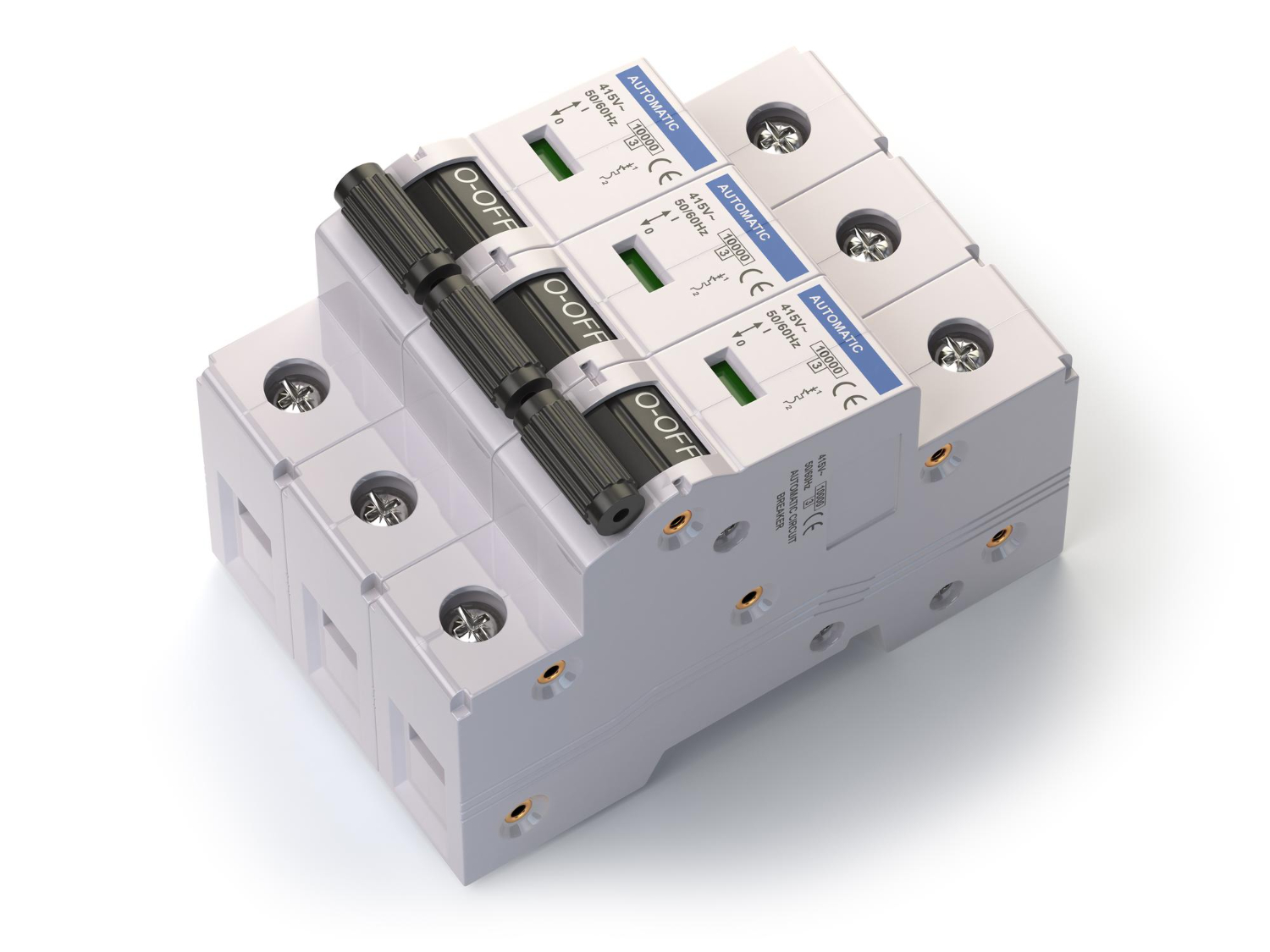
Choosing the right industrial contactor is not just about amps and price. In real plant conditions—heat, dust, voltage fluctuations, frequent switching, and motor starting loads—a contactor’s build quality and consistency directly impact downtime, maintenance cost, and safety.
This guide offers a feature-by-feature comparison of BCH Electric contactors vs other brands, written for panel builders, OEMs, contractors, procurement teams, and plant engineers. It focuses on practical parameters that matter on-site and follows EEAT principles (Experience, Expertise, Authority, Trust) for Google-friendly content.
What Is a Contactor and Why Brand Choice Matters
A contactor is an electrically controlled switch used to:
-
Start/stop motors
-
Control pumps, compressors, HVAC, and industrial loads
-
Switch power circuits repeatedly and safely
Unlike a basic switch, a contactor must handle:
-
High inrush current during motor start
-
Frequent switching cycles (sometimes thousands per day)
-
Arc suppression and contact wear over time
A weak contactor can cause:
-
Coil failure
-
Welding of contacts
-
Frequent breakdowns
-
Increased panel heating
-
Motor damage due to unstable switching
That’s why comparing features beyond “rating” is essential.
BCH Electric Contactors vs Other Brands: What to Compare
Below are the most important parameters industrial buyers should evaluate—along with how BCH Electric contactors typically stand in real-world selection criteria.
1) Build Quality & Material Grade (Experience)
What matters: Contactors operate in harsh environments. Materials in contacts, coils, and terminals directly influence lifespan.
BCH Electric Contactors
-
Designed for industrial duty cycles
-
Strong, sturdy construction suited for Indian plant conditions
-
Reliable terminal strength for repeated maintenance work
Other Brands (Generic/Unverified)
-
Inconsistent plastic/metal quality
-
Terminal looseness after repeated tightening
-
Faster contact wear in continuous operations
2) Contact Life & Arc Handling (Expertise)
What matters: Each switching action creates an electrical arc. Better contact design + arc chambers = longer service life.
BCH Electric Contactors
-
Optimized contact design for repeated switching
-
Better arc quenching performance for motor loads
-
Suitable for frequent start/stop operations
Other Brands
-
Shorter electrical life in high switching applications
-
Higher risk of contact pitting and welding under heavy load
3) Coil Performance & Voltage Fluctuation Tolerance (Experience + Trust)
What matters: In many industrial sites, voltage fluctuations are common. Coils must remain stable to prevent humming, overheating, and coil burnout.
BCH Electric Contactors
-
Stable coil performance under variable conditions
-
Reduced coil overheating when switching frequently
-
Better operational consistency in real installations
Other Brands
-
Coils overheating during long operation
-
Increased humming/noise
-
Higher burn-out risk if power quality is unstable
4) Thermal Management & Panel Heating
What matters: Poor thermal performance increases panel temperature, affecting MCCBs, relays, and overall safety.
BCH Electric Contactors
-
Better current handling stability
-
Lower heating impact when properly rated and installed
-
Strong terminal and conductor contact reduces hot spots
Other Brands
-
Higher terminal heating due to poor contact pressure
-
Increased hotspots and insulation degradation over time
5) Compatibility With Overload Relays & Coordination (Authority)
What matters: Contactors are rarely used alone—usually paired with overload relays and short-circuit protection. Proper coordination avoids nuisance trips and improves motor safety.
BCH Electric Contactors
-
Designed for smooth coordination with overload relays
-
Panel builders often prefer consistent pairing
-
Easier selection and standardization in motor starters
Other Brands
-
Relay compatibility issues (fitment, coordination mismatch)
-
More trial-and-error during panel assembly
6) Mechanical Durability & Switching Cycles
What matters: High-frequency switching needs strong mechanical endurance.
BCH Electric Contactors
-
Reliable mechanical design for frequent operations
-
Suitable for automation-heavy setups where switching is frequent
Other Brands
-
Mechanical wear faster in frequent switching
-
Increased maintenance needs over time
7) Installation Convenience & Maintenance Friendliness
What matters: Electricians and maintenance teams need easy wiring, accessibility, and predictable servicing.
BCH Electric Contactors
-
Practical terminal layout
-
Strong label clarity and stable fitment
-
Easier replacement without frequent wiring issues
Other Brands
-
Poor labeling
-
Loose terminal fit over time
-
Higher chances of wiring errors during replacement
8) Documentation, Support & Brand Trust (EEAT)
What matters: For industrial procurement, brand trust is built through consistent supply, documentation, and acceptance.
BCH Electric
-
Recognized Indian brand with strong market presence
-
Widely accepted in industrial panels and standard electrical setups
-
Better trust for consultants, EPCs, and OEM requirements
Other Brands
-
Limited documentation
-
Inconsistent supply or model availability
-
Harder to justify in audit/consultant approvals
Practical takeaway: For critical installations, reliability + brand acceptance matter as much as technical specs.
When BCH Electric Contactors Are the Better Choice (Use Cases)
BCH Electric contactors are typically ideal for:
-
Motor control panels (DOL, Star-Delta, soft starter coordination)
-
Pumps and compressors
-
HVAC systems for commercial buildings
-
Conveyors and material handling
-
Industrial automation lines
-
Any site where downtime is costly
Final Verdict: Why BCH Electric Contactors Stand Out
If your priority is:
-
Reliable switching performance
-
Strong build quality
-
Stable coil operation under Indian conditions
-
Longer service life and less maintenance
-
Better coordination in motor protection systems
-
Brand trust and acceptance in industrial panels
Then BCH Electric contactors are a safer, smarter long-term choice compared to many other brands—especially generic or inconsistent options.
