
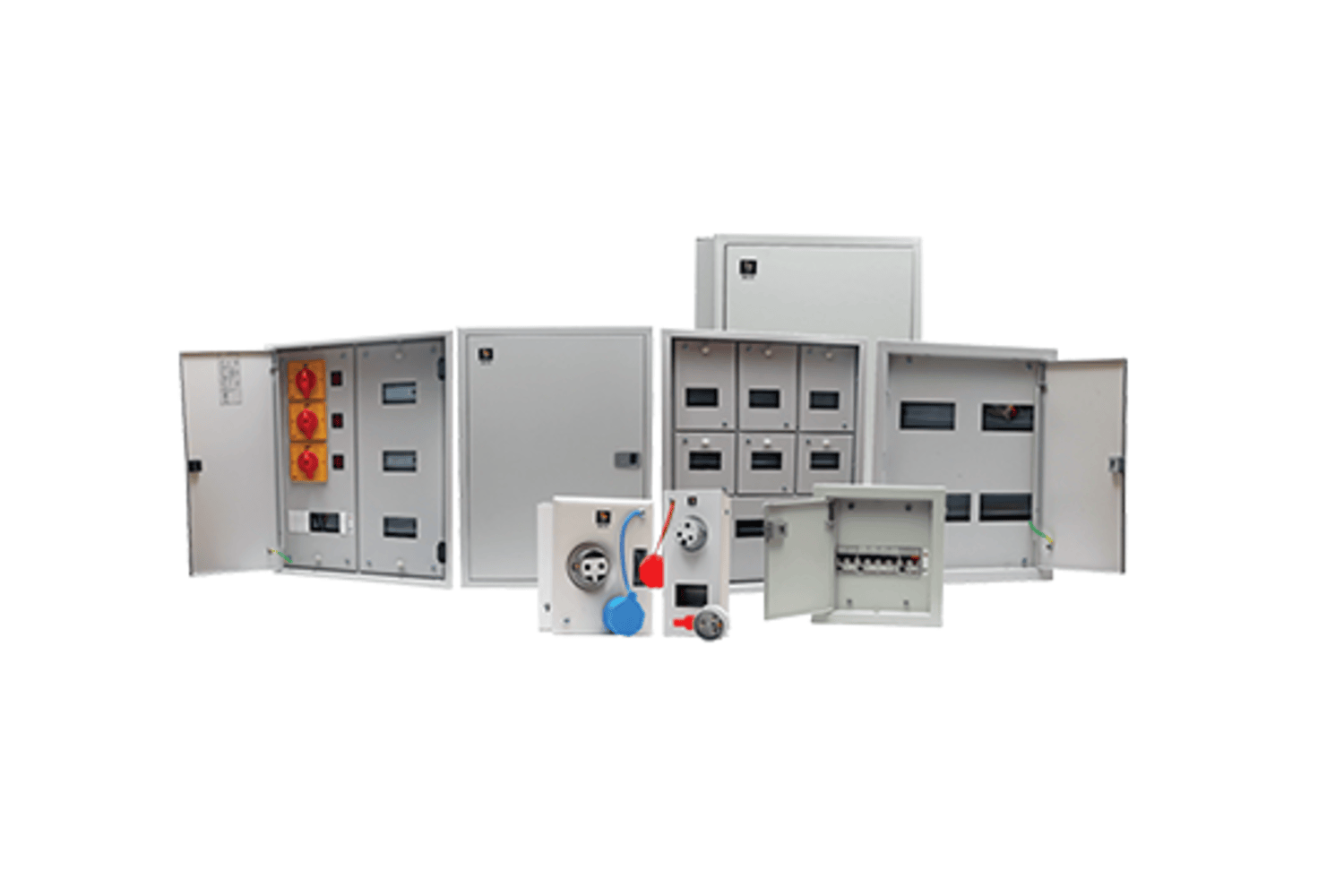
An MCB Distribution Box (DB) is the heart of any electrical installation—whether residential, commercial, or industrial. It houses Miniature Circuit Breakers (MCBs) that protect circuits from overloads and short circuits. While MCBs are designed for reliability, the distribution box itself requires periodic inspection and maintenance to ensure long-term safety and performance.
Neglecting DB maintenance can lead to:
-
Frequent tripping
-
Overheating
-
Loose connections
-
Equipment damage
-
Electrical fire hazards
For electricians and maintenance professionals, understanding proper MCB distribution box maintenance is essential. This guide outlines practical, field-tested maintenance tips that every electrician should know to ensure safe and efficient operation.
Why MCB Distribution Box Maintenance Is Important
An MCB distribution box performs several critical functions:
-
Centralizes power distribution
-
Protects circuits from faults
-
Prevents overcurrent damage
-
Ensures safe isolation of circuits
However, over time, factors such as:
-
Thermal cycling
-
Vibration
-
Environmental dust
-
Humidity
-
Load expansion
can compromise its reliability.
Routine maintenance improves:
-
Electrical safety
-
System efficiency
-
Equipment lifespan
-
Compliance with safety standards
1. Perform Regular Visual Inspections
The first step in DB maintenance is a careful visual inspection.
Look for:
-
Signs of discoloration or burn marks
-
Cracked insulation
-
Loose or exposed wires
-
Corrosion on terminals
-
Broken latches or damaged enclosure
Even small signs of heat damage or loose connections should never be ignored.
Tip: Schedule inspections quarterly in commercial environments and bi-annually in residential setups.
2. Check for Overheating & Hot Spots
Overheating is one of the most common issues in distribution boxes.
Common causes:
-
Loose terminals
-
Overloaded circuits
-
Poor-quality wiring
-
Inadequate ventilation
Electricians should:
-
Feel for abnormal warmth (after safe shutdown)
-
Use thermal imaging tools where available
-
Tighten terminals to recommended torque
Excessive heat can lead to insulation failure and fire risks.
3. Tighten All Electrical Connections
Loose connections cause:
-
Increased resistance
-
Heat buildup
-
Voltage drops
-
Intermittent tripping
During maintenance:
✔ Turn off the main supply
✔ Use insulated tools
✔ Check and tighten terminal screws
✔ Follow manufacturer torque specifications
Avoid over-tightening, as it may damage MCB terminals.
4. Clean Dust & Debris from the Distribution Box
Dust accumulation inside the DB can:
-
Reduce insulation resistance
-
Cause tracking
-
Interfere with MCB operation
Use:
-
A dry, soft brush
-
Low-pressure compressed air
Avoid:
-
Water-based cleaning
-
Metal tools inside live panels
Clean environments help maintain insulation integrity and operational reliability.
5. Verify Proper Circuit Labeling
Improper labeling creates confusion during emergencies.
Ensure:
-
Each MCB is clearly labeled
-
Circuit identification matches actual wiring
-
Updates are made after any electrical modification
Correct labeling reduces downtime and enhances safety during fault isolation.
6. Test MCB Operation Periodically
Although MCBs trip automatically during faults, periodic manual testing ensures functionality.
Steps:
-
Turn off connected load
-
Toggle the MCB OFF and ON
-
Ensure smooth switching
If an MCB feels stiff, loose, or unreliable, consider replacement.
Regular operation prevents mechanical sticking and ensures reliability.
7. Inspect Busbars & Neutral Links
Busbars distribute power within the DB.
Check for:
-
Tight connections
-
Signs of overheating
-
Oxidation or corrosion
-
Insulation damage
Faulty busbars can compromise multiple circuits simultaneously.
8. Ensure Proper Load Distribution
Uneven load distribution can cause:
-
Overloading of specific MCBs
-
Phase imbalance in three-phase systems
-
Excessive heating
Electricians should:
-
Measure load current
-
Balance circuits where possible
-
Upgrade MCB ratings only if wiring supports it
Never increase MCB rating without verifying cable capacity.
9. Inspect the Enclosure & IP Protection
The enclosure protects internal components from environmental exposure.
Check for:
-
Proper door sealing
-
Functional locks and hinges
-
Intact IP-rated gaskets
-
Secure cable gland fittings
A compromised enclosure can allow dust and moisture ingress, reducing safety.
Manufacturers like BCH India design distribution boxes with durable construction and reliable sealing to withstand real-world operating conditions.
10. Replace Damaged or Outdated Components
Electrical systems evolve over time.
Replace:
-
Aged MCBs
-
Damaged neutral links
-
Cracked insulation
-
Obsolete components
Upgrading ensures compliance with modern safety standards and enhances protection.
11. Maintain Proper Ventilation Around the DB
Distribution boxes should not be:
-
Covered with materials
-
Installed in enclosed unventilated spaces
-
Blocked by storage items
Proper airflow prevents overheating and improves lifespan.
12. Ensure Compliance with Safety Standards
Electricians should confirm that:
-
MCB ratings match circuit design
-
DB installation meets electrical codes
-
Earth connections are secure
-
RCD/ELCB devices are functioning
Routine compliance checks prevent liability and improve system safety.
Common Problems Caused by Poor Maintenance
Neglected distribution boxes often result in:
-
Frequent nuisance tripping
-
Burnt wiring
-
Insulation damage
-
Electrical fire hazards
-
Reduced MCB life
Regular preventive maintenance is significantly cheaper than emergency repairs.
How High-Quality Distribution Boxes Improve Reliability
The durability and design of the distribution box itself play a major role in long-term performance.
Quality DBs offer:
-
Strong enclosure construction
-
Reliable busbar design
-
Adequate spacing between MCBs
-
Proper ventilation
-
Durable terminals
Choosing trusted manufacturers ensures better performance and safety over time.
BCH India provides reliable electrical distribution solutions designed for Indian operating conditions. The official website https://bchindia.com/ offers technical information and guidance for electricians and professionals looking for dependable electrical components.
Maintenance Checklist for Electricians
Here is a quick reference checklist:
✔ Visual inspection
✔ Tighten terminals
✔ Clean dust and debris
✔ Check overheating signs
✔ Test MCB operation
✔ Verify labeling
✔ Inspect busbars
✔ Confirm enclosure integrity
✔ Balance loads
✔ Replace damaged components
Following this checklist periodically improves reliability and reduces fault risk.
Safety Precautions During DB Maintenance
Always follow these precautions:
-
Turn off the main supply before inspection
-
Use insulated tools
-
Wear protective gloves
-
Avoid working alone in high-voltage environments
-
Follow local electrical safety regulations
Safety must always come first.
When Should an Electrician Recommend a DB Upgrade?
Upgrade the distribution box if:
-
Circuits have been expanded beyond capacity
-
Repeated overheating occurs
-
The enclosure shows corrosion or structural damage
-
Old fuse systems are still in use
-
Frequent MCB failures are observed
Modern distribution boxes provide better safety and organized circuit management.
Conclusion: Preventive Maintenance Is Key to Electrical Safety
An MCB distribution box is not a “fit and forget” component. It requires periodic inspection and preventive maintenance to ensure safe, efficient, and uninterrupted power distribution.
By following these maintenance tips, electricians can:
-
Improve system reliability
-
Prevent electrical hazards
-
Extend component lifespan
-
Enhance overall safety
-
Reduce long-term repair costs
For reliable and high-quality electrical distribution solutions, professionals can explore options available at https://bchindia.com/ and stay updated with industry best practices.
